Know the Season, Know the Risks
Girdwood faces different fire risks depending on the time of year, and the two overlap more than they swap cleanly. Warmer, drier months bring wildfire and outdoor burning concerns, while the cold season shifts the risk indoors to furnaces, wood stoves, and space heaters that can be running for the better part of eight months. Knowing what to watch for in each helps you stay ahead of both.
Spring, Summer & Early Fall: Wildfire Season
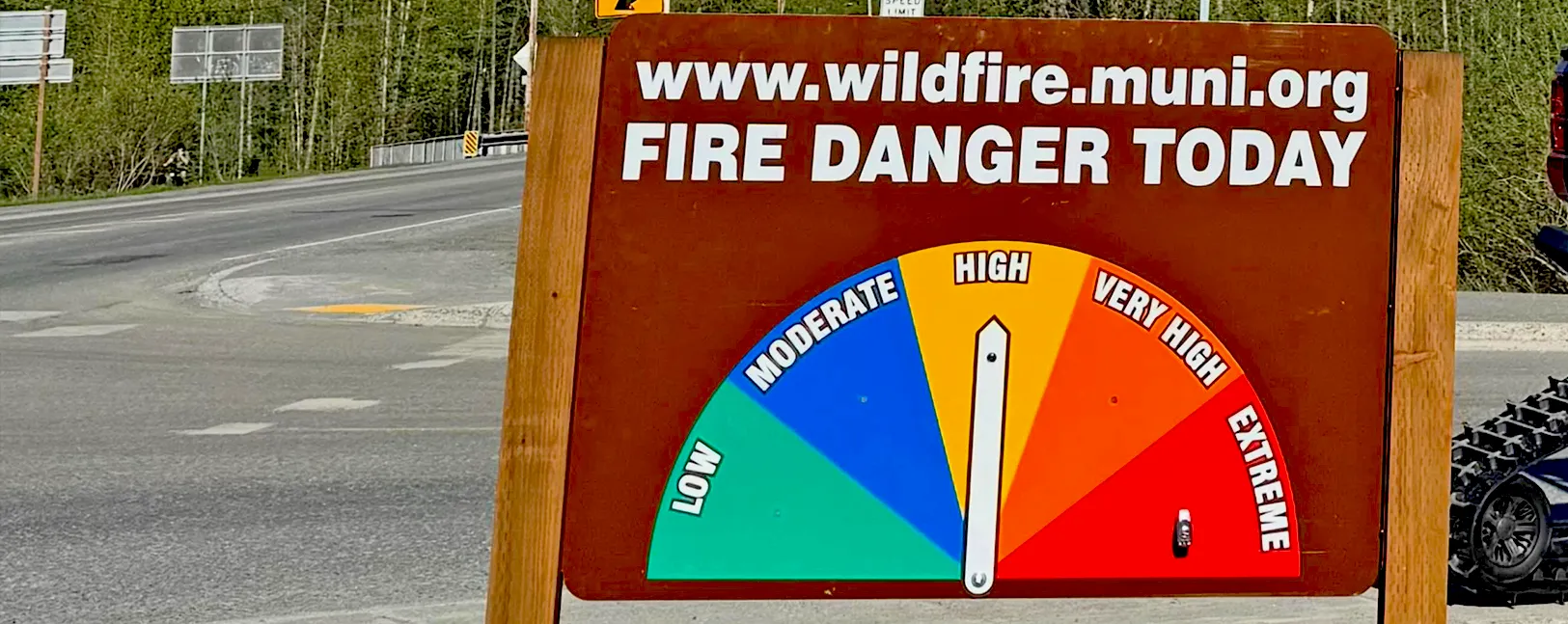
As the snow clears and vegetation dries out, wildfire risk rises across the Girdwood valley. Creating defensible space around your home is one of the most effective things you can do to protect it.
Defensible space. AFD recommends a layered approach to clearing vegetation around your home:
- Within 15 feet: remove dead or dry vegetation, thin conifers, and prune low branches to 6-8 feet.
- 15-30 feet: thin trees further and clear shrubs growing beneath them.
- 30-100 feet (more on steep slopes): continue thinning and pruning to slow a fire’s approach.
Get a free assessment. AFD offers free Firewise Home Assessments for eligible properties in the wildland-urban interface, available April through October.
Check it yourself. You can do a self-assessment on your property. Use our printable Firewise Self-Assessment Checklist to see how your property measures up and what changes you can make to get it Firewise.
Outdoor and recreational fires. Always check the current recreational burning notice before lighting a fire, and follow Municipality of Anchorage burning regulations. Check our Recreational Burning Regulations page for more info.
Illegal burning. Some burning practices are prohibited throughout the Municipality of Anchorage, regardless of conditions: burn barrels, burning trash or construction debris, fireworks, and open fires in municipal parks outside of an approved fire pit or barbecue area.
Cigarettes. A dropped or improperly discarded cigarette can easily ignite dry grass or brush. Always fully extinguish cigarettes and dispose of them in a closed, fire-safe container. Never toss one from a vehicle or onto the ground.
Late Fall, Winter & Early Spring: Home Heating Season
Heating equipment causes more fires nationally in December, January, and February than any other time of year, and in Girdwood, given how long our winters hold on, furnaces and wood stoves are often running from September through April or May.
Furnaces, chimneys & wood stoves. Have your furnace, chimney, and wood stove professionally inspected and cleaned every year. Creosote buildup is a leading cause of chimney fires, and a clean system also runs more efficiently through the cold months.
Space heaters. Plug space heaters directly into an outlet, never an extension cord or power strip. And keep at least 3 feet of clearance between them and anything that can burn. Turn them off when you leave the room or go to sleep.
Fireplace use. Use a sturdy screen to stop sparks from escaping into the room. Let ashes cool completely before disposing of them in a metal container, kept at a safe distance from your home.
Smoke & CO alarms. Test smoke and carbon monoxide alarms monthly and keep them in working order all season — they’re your earliest warning if something goes wrong with heating equipment.
After a snowstorm. Clear snow buildup from furnace, dryer, and stove vents. Blocked vents can cause backdraft and dangerous carbon monoxide buildup indoors.