

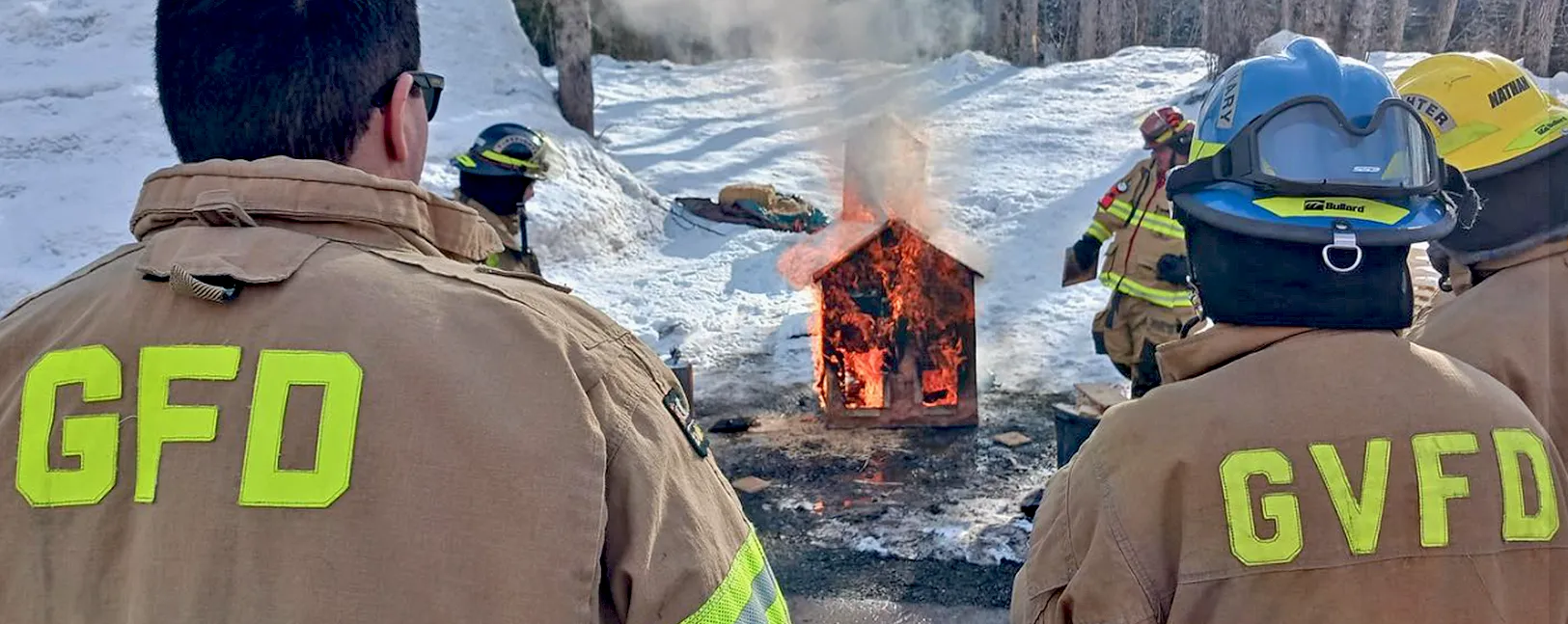
Youth Education and Prevention
Curiosity about fire is natural, especially among children. While most will explore fire at some point, it’s important to understand the risks involved. Whether fires are set intentionally (arson) or out of curiosity, they can have devastating consequences. When children misuse fire, it’s crucial for adults to recognize the behavior early and seek help to address it before a tragedy occurs.
What Fire Stoppers Can Do
The Fire Stoppers program is focused on educating children and their families about the dangers of fire and providing the necessary resources to create a safer environment. This program aims to change dangerous behaviors and teach children about fire safety. Fire Stoppers provides:
- Education for families to reduce risky behaviors
- Resources to help create safer home environments
- Referrals to additional services if more support is needed
Working in collaboration with various agencies and professionals in Anchorage, Fire Stoppers ensures that families have access to the help they need to address fire misuse. If further intervention is necessary, the program can recommend other resources to support the family.
How to Report Fire Misuse
If you’re concerned that a child or youth is misusing fire, please reach out to the Anchorage Fire Department (AFD):
Non-Emergency Number: (907) 267-4950
For more information or to get involved in the Fire Stoppers program:
Email: AFDFireStoppers@anchorageak.gov
Phone: (907) 331-7393
Safety Tips for Families
Help protect your family from fire-related dangers by following these important safety tips:
- Teach responsibility: Encourage children to take responsibility for their safety. Adults are ultimately responsible, but children can start to learn safe behaviors at a young age.
- Supervise closely: Know where your children are, what they’re doing, and who they’re with. Regular supervision is the best way to prevent risky behavior.
- Avoid giving children fire-related responsibilities too soon: Only allow children to handle fire tools, such as matches or lighters, when they are supervised by an adult. Most children are not ready for such responsibilities before age 11.
- Lock up dangerous items: Treat fire tools like matches and lighters as you would a loaded weapon. Keep them locked away until children are mature enough to use them responsibly.
- Educate about fire safety: Help children understand why fire tools are dangerous and the consequences of misuse. Use media as an opportunity to teach the difference between real and unrealistic portrayals of fire.
- Model safe fire practices: Children are likely to imitate what they see. Make sure you’re setting a good example when it comes to fire safety.
By educating our children and supporting families, we can help reduce the risk of youth-set fires and create a safer environment for everyone.