

First Line of Defense
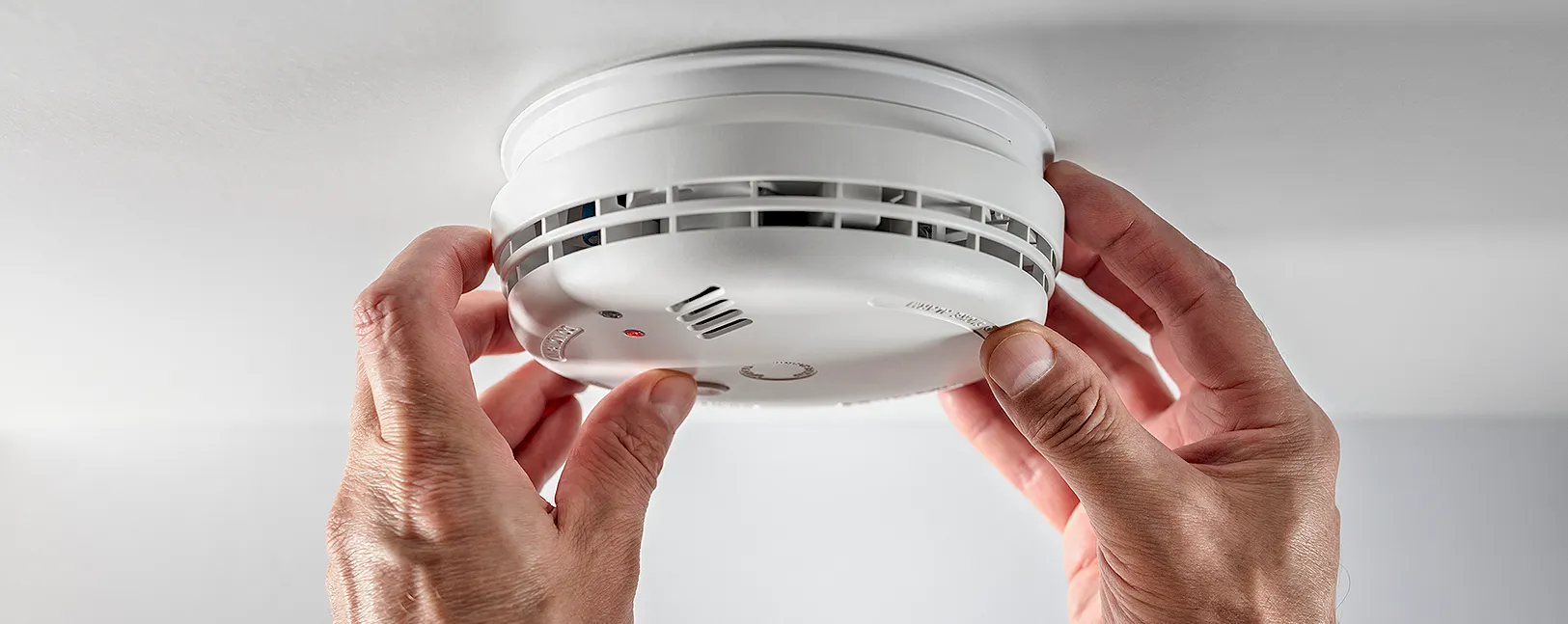
Smoke alarms are a critical part of home fire safety. As your first line of defense, they save lives by providing an early warning and giving you and your loved ones valuable extra time to escape in case of a fire. Smoke alarms dramatically reduce the risk of dying in a fire, making them an essential part of every home’s fire safety plan.
Alaska Smoke Alarm Regulations
Alaska state regulations require smoke alarms to be installed in all homes. To meet these regulations and keep your home and family safe, make sure you follow these guidelines:
Required Placement
Smoke alarms must be installed on every level of your home, inside each bedroom, and outside sleeping areas.
New Construction
New homes or homes undergoing major renovations must have smoke alarms hardwired to the electrical system with a battery backup.
Where to Install Smoke Alarms
Proper placement of smoke alarms is essential for your safety. Here’s where to install them:
- Inside every bedroom (sleeping area).
- Outside each sleeping area (in the hallway or near the door).
- On every level of your home, including the basement and attic if they are used regularly.
- At least 10 feet away from cooking appliances to avoid false alarms from cooking smoke.
How to Maintain Your Smoke Alarms
Smoke alarms require regular maintenance to ensure they are working properly when you need them most. Follow these steps to keep your alarms in top condition:
- Test monthly: Press the test button on your smoke alarm every month to make sure it’s working.
- Change batteries: Replace the batteries at least once a year (or more often if the alarm starts chirping). Fire Prevention Month is a good time to do this.
- Replace smoke alarms every 10 years: Smoke alarms lose their effectiveness over time. Make sure to replace them every 10 years.
- Clean your alarms: Dust or vacuum your smoke alarm to keep it free of debris that may interfere with its function.
Tips for Better Fire Safety
- Have a fire escape plan: Practice your family’s escape plan regularly so everyone knows how to exit the home quickly in case of a fire.
- Don’t disable alarms: If your alarm goes off due to cooking smoke, don’t remove the batteries. Simply wave a towel or fan to clear the smoke.
- Consider interconnected alarms: If one alarm goes off, all alarms in the house will sound, providing extra warning.